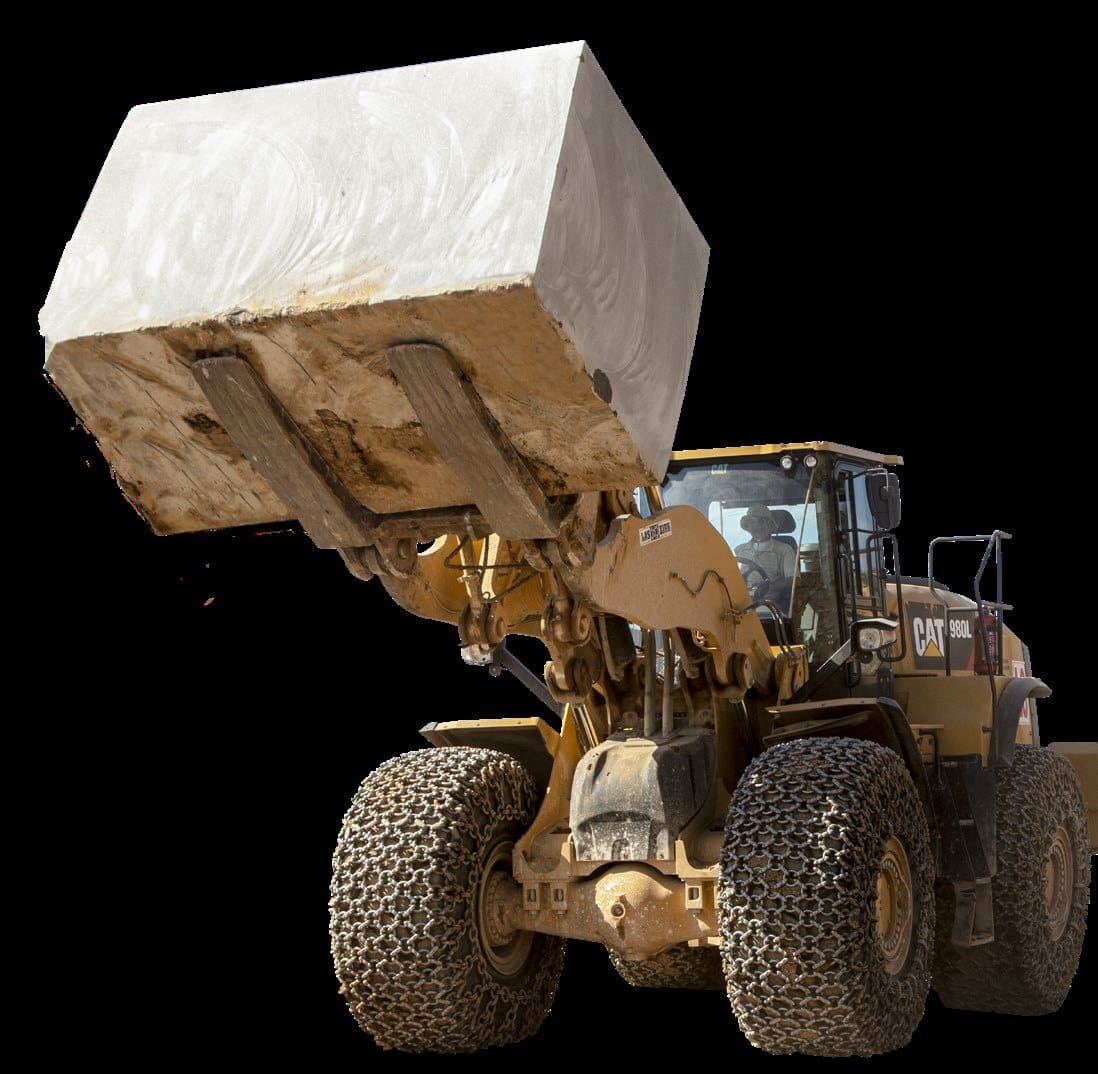
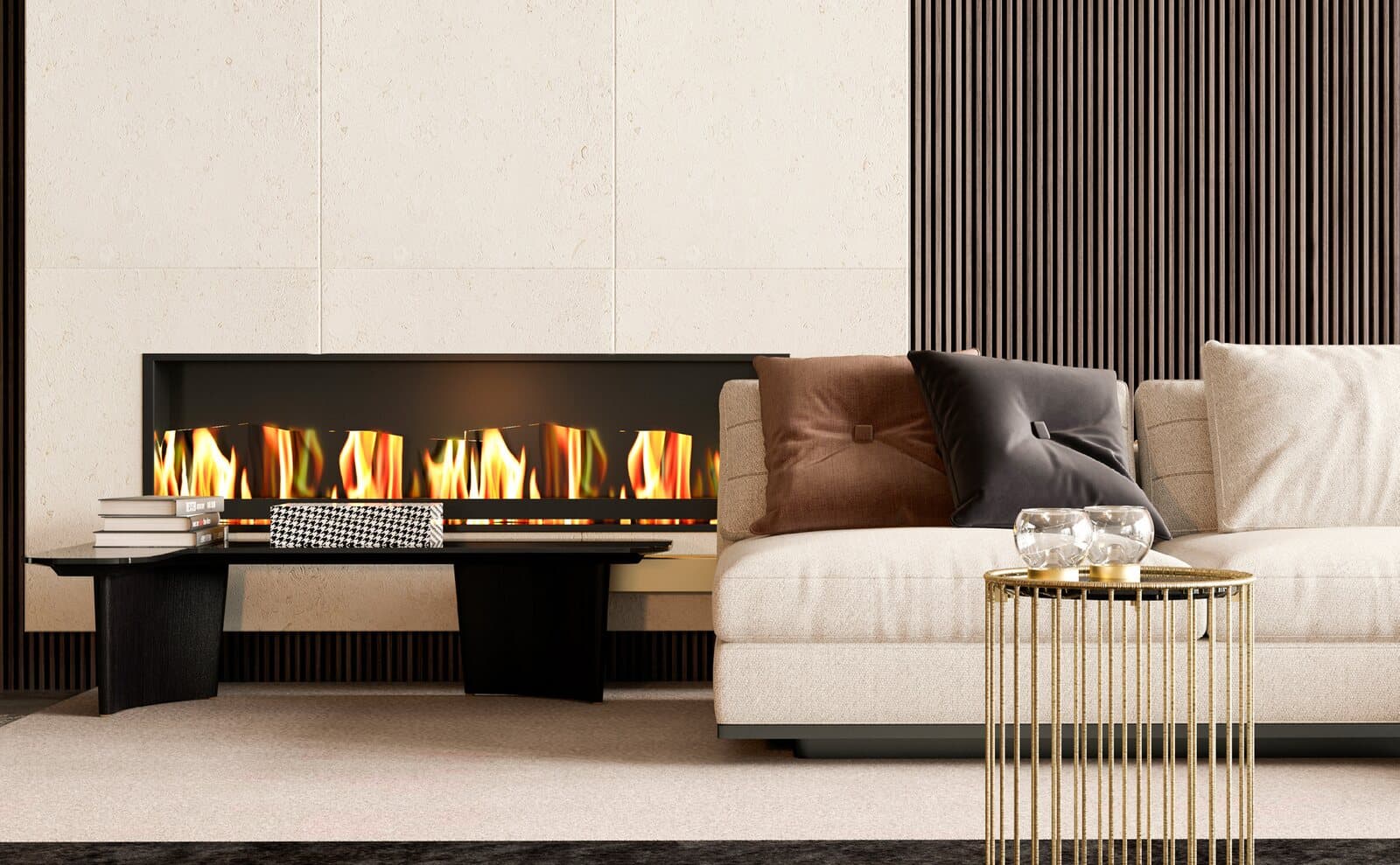
Travertine forms in layers over thousands of years. The direction in which a block is sawn relative to those layers decides the entire character of the finished stone. Understanding the two main cuts — cross cut and vein cut — helps you specify the right surface for each project.
Cross cut travertine
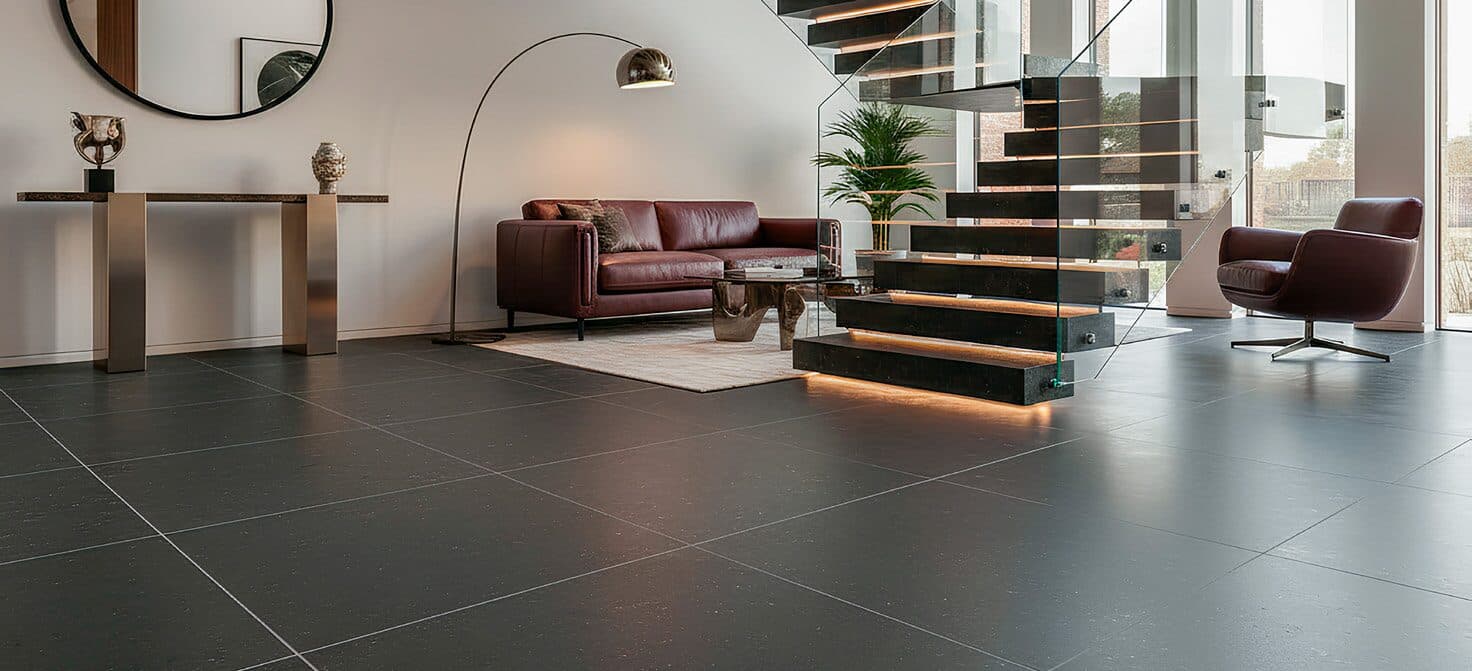
A cross cut (or “fleuri” cut) slices across the bedding planes. This reveals soft, rounded, cloud-like formations with a calm, even pattern that repeats gently across a floor. Cross cut travertine feels timeless and restful, and it is the classic choice for large residential and hospitality floors.
Vein cut travertine
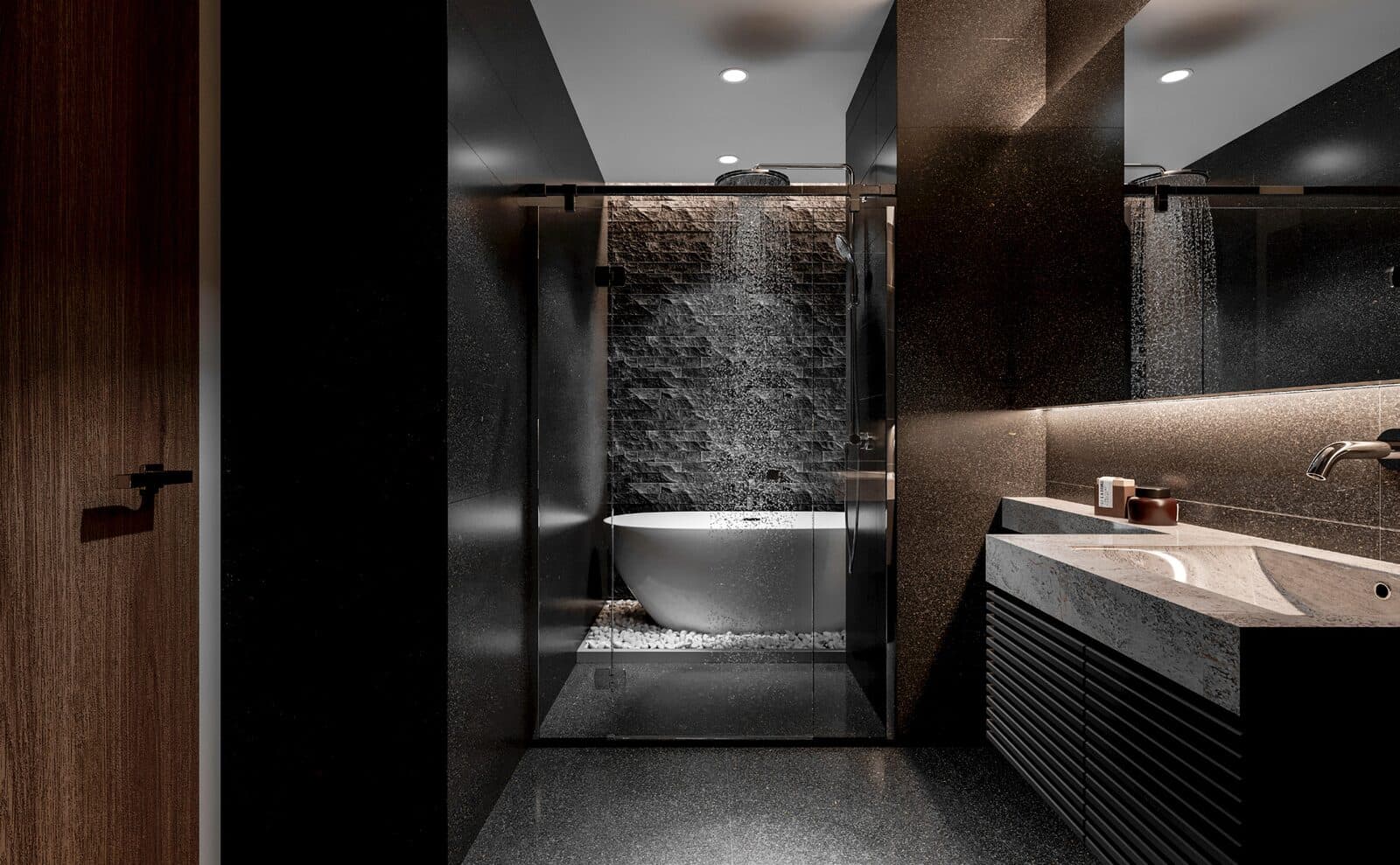
A vein cut slices parallel to the bedding planes, exposing long, linear striations that run in one direction. The result is contemporary and architectural, drawing the eye along walls and façades. Vein cut also lets you set stone “with the grain” or deliberately across it for a striking effect.
Which should you specify?
- Choose cross cut for a soft, uniform, classic floor.
- Choose vein cut for directional, modern walls and façades.
- Mix both to create rhythm between horizontal and vertical surfaces.
Both cuts are available filled or unfilled and in honed, brushed, polished or tumbled finishes. Macs Stone supplies Light Travertine and Silver Travertine in both orientations, so you can standardise on one stone across an entire building.
Continue exploring
Sourcing basalt or travertine?
Get pricing, samples and a packing plan from Macs Stone.